The Core Difference: It's All About the Ratio
Walk into any specialty coffee shop and you will find cappuccinos and lattes side by side on the menu. Both start with the same foundation -- espresso and steamed milk -- but the way those ingredients combine produces two fundamentally different drinks. The difference is not subtle, and understanding it changes the way you order coffee.
A cappuccino follows a roughly equal ratio of espresso, steamed milk, and milk foam. The traditional proportion is 1:1:1, meaning if you start with a double shot of espresso (about 2 oz), you add about 2 oz of steamed milk and top it with about 2 oz of airy milk foam. The result is a smaller drink -- typically 5 to 6 oz total -- with a pronounced coffee flavor and a light, dry texture from the thick foam cap.
A latte, by contrast, uses far more steamed milk and much less foam. The ratio is closer to 1:3:1 -- one part espresso, three parts steamed milk, and a thin layer of microfoam on top. A standard latte is 8 to 12 oz or more, depending on the size, and the larger volume of milk creates a creamier, milder drink where the espresso is present but not dominant.
This difference in ratio is not arbitrary. It defines the entire character of the drink: flavor intensity, texture, temperature retention, and even how the drink is consumed.
The cappuccino is espresso forward. The latte is milk forward. Same ingredients, opposite philosophies.
How Foam Changes Everything
Milk foam is not a garnish. It is a structural component that affects taste, texture, and drinking experience. The difference between cappuccino foam and latte foam is the difference between eating meringue and drinking cream.
Cappuccino Foam: Thick and Dry
A properly made cappuccino has a thick layer of foam that sits on top of the steamed milk like a cloud. This foam is aerated to the point where it becomes stiff and dry, with large, visible bubbles. When you lift the cup, the foam holds its shape. When you sip, the foam coats your lips before the liquid reaches your mouth. This is intentional.
The thick foam layer serves two purposes. First, it insulates the drink, keeping it hot longer. Second, it creates a textural contrast -- the airy foam against the denser steamed milk below. Drinking a cappuccino is a layered experience: foam first, then milk, then espresso.
Latte Foam: Thin and Silky
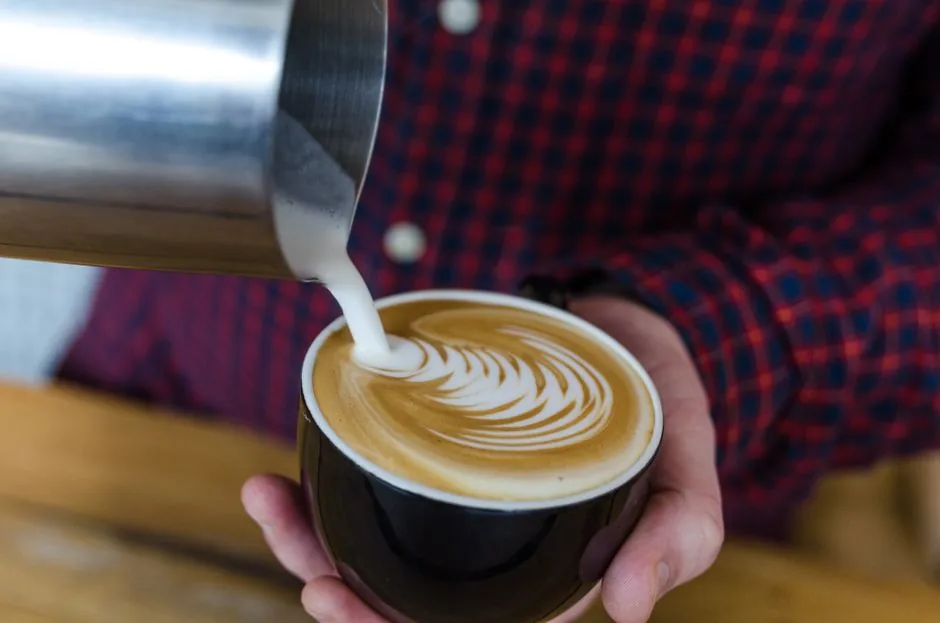
A latte uses microfoam, which is steamed milk that has been textured just enough to create tiny, uniform bubbles. The result is a glossy, velvety layer that integrates with the milk rather than sitting on top of it. The foam in a latte is thin -- often just a quarter inch or less -- and it is what baristas use to create latte art.
Microfoam is silky, not stiff. It blends seamlessly with the steamed milk, creating a smooth, creamy mouthfeel throughout the drink. There is no textural separation between foam and liquid. The experience is uniform from first sip to last.
Flavor Profile: Strong vs Smooth
If you care about tasting the espresso, order a cappuccino. If you prefer a gentler coffee flavor softened by milk, order a latte. The foam-to-milk ratio directly determines how much the espresso is diluted.
In a cappuccino, the espresso is only lightly softened by a small amount of steamed milk, and the thick foam does not carry much liquid volume. The result is a drink where the espresso is front and center. You taste the origin characteristics of the coffee beans, the roast profile, and any fruit or chocolate notes the espresso carries. A well-made cappuccino from high-quality beans -- like the La Colombe espresso served at Pier 69 Market -- will have clarity and complexity that milk does not mask.
A latte, on the other hand, is designed to be approachable. The high volume of steamed milk mellows the espresso's intensity, smoothing out any sharp edges and creating a sweeter, creamier drink. This is why lattes are popular among people who find straight espresso too strong or bitter. The milk becomes the primary flavor, with espresso providing a background note rather than leading the charge.
Neither approach is better. They serve different purposes. A cappuccino is for people who want to taste the coffee. A latte is for people who want coffee flavor in a creamy, dessert-like form.
Size Matters: Why Cappuccinos Are Smaller
Traditional Italian coffee culture dictates that cappuccinos are consumed in the morning and never exceed 6 oz. This is not a rule enforced by law, but it reflects an understanding of how the drink works. Adding more milk to a cappuccino turns it into something else -- either a latte or a flat white, depending on the foam.
Many American coffee shops offer 12 oz or even 16 oz "cappuccinos," which are technically lattes with extra foam. The Specialty Coffee Association (SCA) defines a cappuccino as having a 1:1:1 ratio, which becomes impossible to maintain at large sizes without making the drink unbalanced. A 16 oz cappuccino would require 5.3 oz of foam, which is excessive and impractical.
Lattes, by contrast, scale up easily. You can make an 8 oz latte, a 12 oz latte, or a 20 oz latte without changing the fundamental character of the drink. Just add more milk. This is why lattes are the default choice for people ordering large coffee drinks.
Latte Art: Why It's Not for Cappuccinos
If you have ever seen a barista pour a rosetta, heart, or swan into a cup of coffee, you were looking at a latte. Latte art requires microfoam -- the thin, silky foam that integrates with steamed milk -- and a relatively large canvas of liquid to work with.
Cappuccinos have thick, dry foam that does not pour smoothly. The foam sits on top in a stiff cap, making it nearly impossible to create detailed designs. You can pour a simple heart or tulip into a cappuccino if the foam is well-textured, but intricate latte art requires the flow and contrast that only a latte provides.
This is why Instagram photos of latte art are always lattes, not cappuccinos. The drink is literally named after the art form.
Calories and Nutritional Differences
Because a cappuccino contains less milk than a latte, it also contains fewer calories. The exact number depends on the milk type (whole, 2%, oat, almond, etc.) and the size of the drink, but the difference is consistent across all variations.
A typical 6 oz cappuccino made with whole milk contains approximately 110 to 120 calories. A 12 oz latte made with the same milk contains approximately 150 to 180 calories. If you order a large 16 oz latte, the calorie count can exceed 220.
For people tracking calories or trying to reduce dairy intake, cappuccinos are the lighter option. The foam takes up volume without adding significant calories, while the milk in a latte contributes both calories and sugar (lactose).
Iced Versions: How the Drinks Change
Both cappuccinos and lattes can be served iced, but the drinks lose some of their defining characteristics when cold. Foam does not hold up over ice the way it does in a hot drink, so an iced cappuccino is essentially cold espresso with a bit of cold milk and a thin layer of foam. The textural contrast is diminished.
Iced lattes fare better because they do not rely on foam for structure. An iced latte is simply espresso poured over ice and topped with cold milk. The flavor profile remains consistent with the hot version -- creamy, mild, and approachable. Many people prefer iced lattes in warm weather because they are refreshing without losing the coffee-milk balance.
At Pier 69 Market, both drinks are available hot or iced, made with La Colombe espresso and fresh milk. The full coffee menu includes options for alternative milks, which change the flavor and texture in subtle but noticeable ways.
Where to Get Both in Bay Ridge Brooklyn
Pier 69 Market at 10 Bay Ridge Ave, Brooklyn, NY 11220 serves both cappuccinos and lattes as part of its coffee program. The cafe uses La Colombe espresso, a specialty roaster known for sourcing high-quality beans and maintaining consistent roast profiles. Both drinks are made to order by trained baristas using proper technique for steaming milk and pulling espresso shots.
The cafe is open Monday through Friday 6 AM to 9 PM and weekends 7 AM to 9 PM. Both cappuccinos and lattes are available hot or iced, for dine-in, takeout, or delivery through GetSauce. Alternative milk options include oat milk, almond milk, and soy milk, all of which change the drink's flavor and texture in different ways.
For anyone walking the Bay Ridge waterfront or heading to Owls Head Park, Pier 69 Market is a short walk from both. The location at 10 Bay Ridge Ave is accessible via the R train (Bay Ridge Avenue stop) or by car, with street parking available nearby.
Visit Pier 69 Market in Bay Ridge
Expertly crafted cappuccinos and lattes. La Colombe espresso. Steps from the waterfront.