Two Labels, Two Different Promises
Look at a shelf of coffee bags and they sort themselves into two camps. Some of them name a place: Ethiopia Yirgacheffe, Colombia Huila, Guatemala Antigua, sometimes a specific farm or washing station printed in small type underneath. The others name a recipe: breakfast blend, house espresso, something seasonal with a nice label. Same shelf, same price range, completely different promise.
A single origin bag is promising you a place. It says this coffee came from one defined spot and one harvest, and it is going to taste like that spot rather than like coffee in general. A blend is promising you a result. It says a roaster combined several coffees on purpose to hit a flavor target, and it will hit that same target the next time you buy it.
Once you hear the two labels that way, most of the confusion goes away. Neither one is the upgrade. They are answers to different questions.
Single origin is a place. A blend is a recipe. One is built for character, the other for consistency.
What Single Origin Actually Means
There is no regulatory definition of single origin, which is why the term stretches so far. At its loosest it means one country. Tighter, it means one growing region inside that country. Tighter still, one cooperative or one washing station. At the strict end, a single farm, a single lot, a single picking.
The reason anyone bothers is that coffee is an agricultural product with a strong sense of place. Altitude, rainfall, soil, the variety planted, and how the fruit was processed after picking all leave fingerprints in the cup. A washed Ethiopian coffee grown at 2,000 meters genuinely tastes like citrus and florals. A natural-process Brazilian coffee genuinely tastes like peanut and cocoa. Keep those coffees separate and you can taste the difference. Mix them and you get an average.
The trade-off nobody mentions on the label
Single origin coffee is seasonal and finite. A lot gets harvested, processed, shipped, and eventually it is gone, and next year's harvest from the same farm will be a little different because the weather was different. That is part of the appeal if you like paying attention, and it is a genuine annoyance if you just want your Tuesday coffee to taste like your Monday coffee. Falling in love with a single origin means accepting that it will disappear.
Single origins also tend to be less forgiving. The bright, delicate qualities people buy them for sit on a narrow ledge. Brew one too fast, or with water that is not hot enough, and the cup turns thin and sour rather than juicy. If you want to go deeper on that, our breakdown of pour over versus French press versus drip covers how much of the flavor is actually decided by your method rather than by the bean.
What a Blend Is Built to Do
Blending has a reputation problem, mostly because the cheapest coffee in the supermarket is also blended. But a well-made blend is not what is left over after the good coffee was sold. It is engineering. A roaster tastes a dozen components and combines them so that each one covers a weakness in the others: one coffee for body and sweetness, one for a little acidity so the cup is not flat, one for the chocolate note that makes it recognizable.
The second thing a blend does is survive the calendar. When a component coffee runs out, the roaster swaps in something comparable and adjusts the proportions so the blend still tastes like itself. That is why the house coffee you like in February tastes like the house coffee you liked in September. Holding a flavor steady across changing harvests is harder than showcasing one great lot, not easier.
Why espresso is almost always a blend
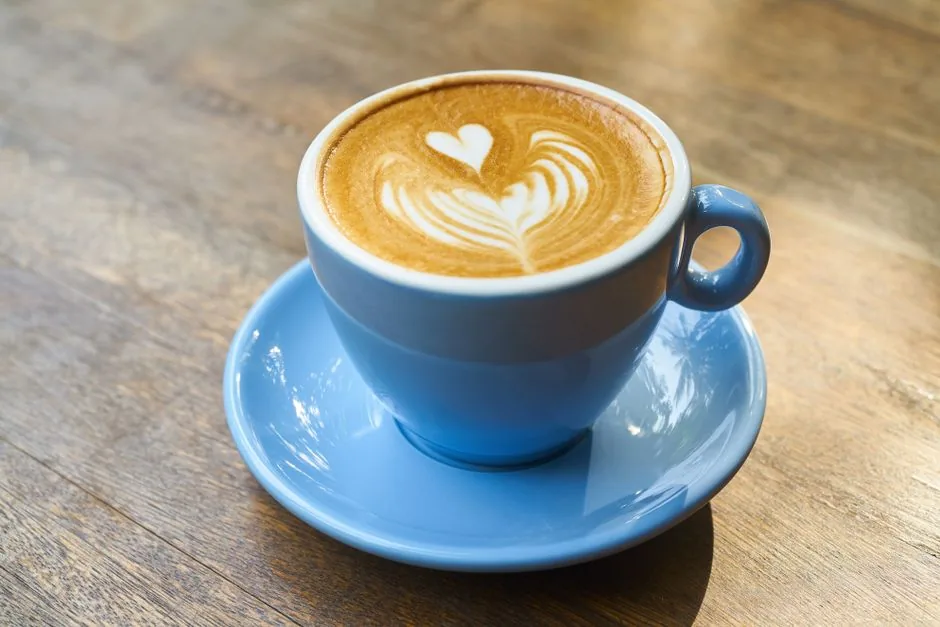
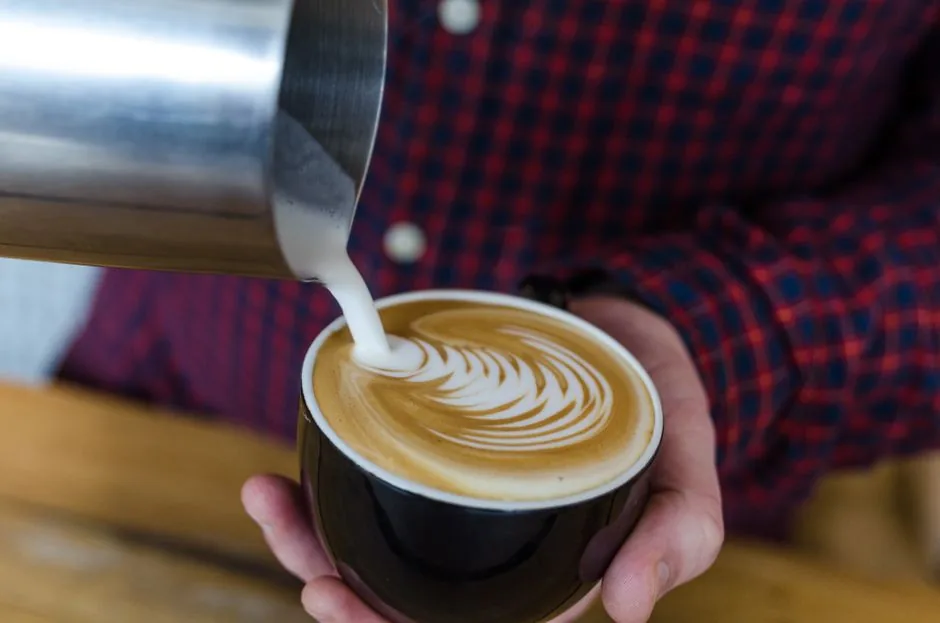
Espresso is the most demanding format in coffee. It concentrates everything, including flaws, and it has to work two completely different ways: good enough to drink straight as a shot, and bold enough to still read through six ounces of steamed milk. Blending solves that. You can build body and crema from one component, sweetness from another, and a touch of brightness from a third.
That is also why roast level and blending usually travel together. Most espresso blends sit medium to dark for the same reason, which we get into in our piece on light roast versus dark roast. If you drink lattes and cappuccinos, you have almost certainly been drinking a blend for years without thinking about it, and there was nothing wrong with that. Single origin espresso exists and can be stunning, but it is usually offered next to a house blend rather than in place of one.
Neither One Is a Quality Grade
This is the part worth carrying out the door. Single origin tells you about traceability and intent. It does not tell you the coffee is good, that it was picked ripe, processed carefully, or roasted well. Plenty of mediocre coffee is single origin, because every coffee on earth came from somewhere.
Likewise, a blend tells you a roaster made choices. It does not tell you those choices were cheap. The best cup you drink this month might easily be a blend, and the most disappointing one might be an expensive bag with a farm name on it that sat on a shelf for four months. Freshness, roast skill, and your own brewing do more for the cup than the single-versus-blend question ever will.
How to Choose, in About Ten Seconds
Here is the short version, by how you actually drink coffee.
- You drink it black and you like noticing things. Go single origin. That is what it is for, and black coffee is the only place its detail survives intact.
- You drink lattes, cappuccinos or anything with milk. A blend is the safer and usually better choice. Milk flattens the delicate notes you paid extra for and rewards body, sweetness and chocolate instead.
- You want the same cup every morning. Blend. Consistency is the entire product.
- You are buying for a household where everyone brews differently. Blend, medium roast, whole bean. It forgives a rough grind and a drip machine.
- You are buying a gift for someone who is into coffee. Single origin, bought recently, with the roast date on the bag. The specificity is the gift.
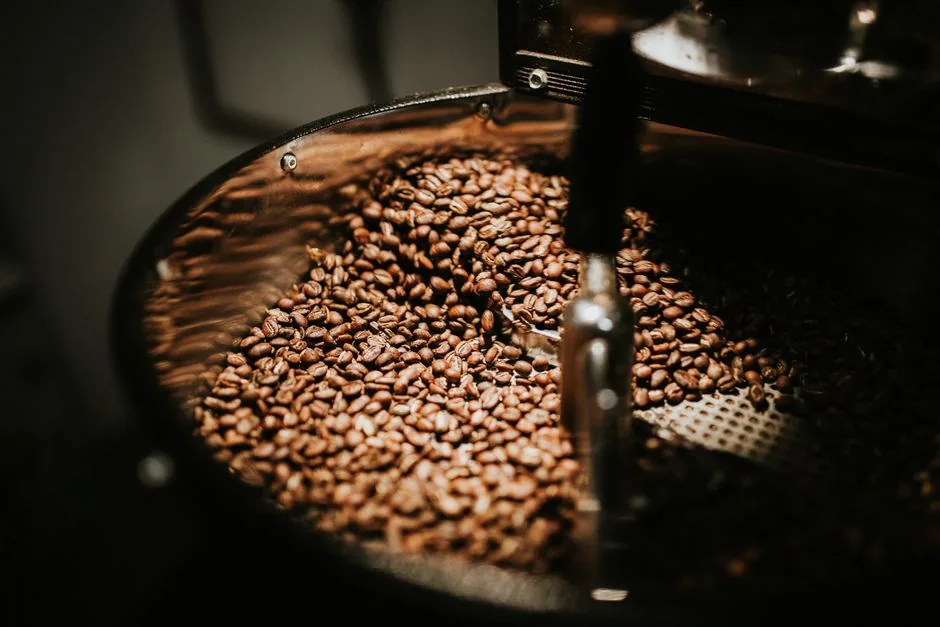
Whichever you pick, buy whole bean and grind it as you go. A stale single origin loses exactly the qualities you bought it for, which is the most expensive way to waste coffee.
How This Plays Out at a Bay Ridge Coffee Counter
Pier 69 Market pours La Colombe coffee and Rishi tea at 10 Bay Ridge Ave, a block up from the water. The practical version of all of the above is a single sentence at the register: if you are drinking it black, ask what is brightest on the bar today; if you are getting a milk drink, you are already in the right place on the spectrum and you do not need to think about it at all.
If you are curious about what is actually in the grinder on a given morning, ask. That is a quick and genuinely pleasant conversation at 6 AM, which is when we open on weekdays, and it is the fastest way to find out whether today's cup is worth drinking black. Plenty of people who have ordered the same latte for years discover a coffee they love this way, usually standing at the counter with no intention of learning anything.
You can see the full lineup on our menu, read more about the coffee side of the cafe, or take it two minutes down the hill to the waterfront, which is where a good cup of coffee in this neighborhood is best appreciated. If you are ordering coffee for an office or a group, that is better handled by phone than guessed at online. Call (718) 777-6969 and we will sort out quantities and timing, or see the catering page for how we normally set it up.
Come Taste the Difference
La Colombe coffee and Rishi tea at 10 Bay Ridge Ave, one block up from the Bay Ridge waterfront. Open 6 AM weekdays, 7 AM weekends, until 9 PM. Delivery through GetSauce.