A Tea Drink Hiding in the Coffee Section
Almost every cafe menu in the city puts chai in with the espresso drinks, somewhere underneath the cappuccinos. That makes sense for whoever builds the board, since a chai latte is steamed, poured and sized like the drinks around it. It also leaves a lot of people with the impression that chai is a syrup, a flavor shot, something a barista squirts into hot milk.
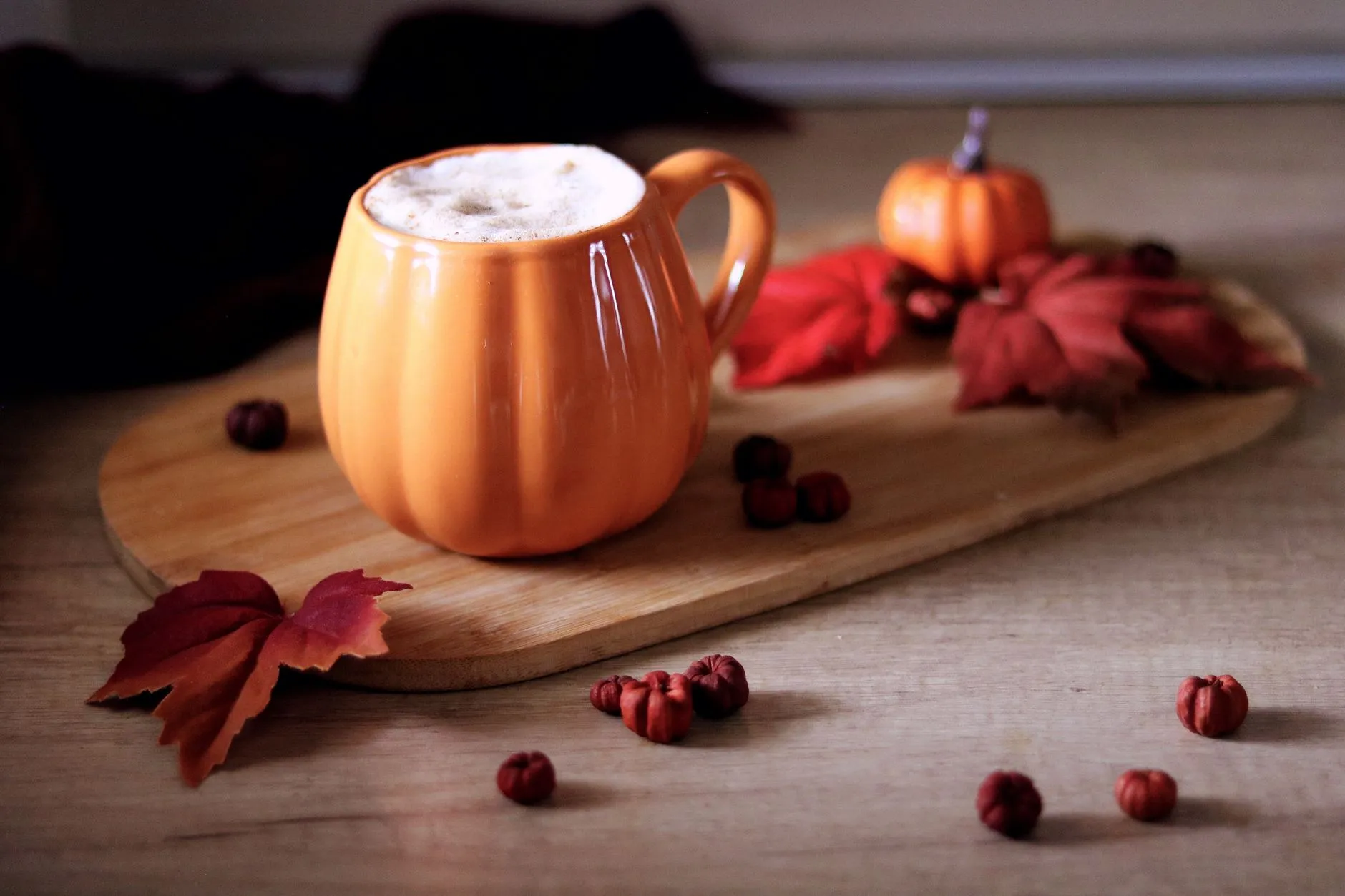
It is not. A chai latte is spiced black tea with steamed milk. The tea is doing the work. Strip the milk out and you have a cup of strongly brewed, heavily spiced black tea, which is more or less how it is drunk across most of South Asia. The latte part is a Western adaptation: take that spiced tea, cut it with steamed dairy in roughly the proportions of a coffee latte, and you get something that behaves like a cafe drink while tasting nothing like coffee.
The word itself gives it away. Chai means tea. So chai tea, the phrase on half the menus in America, says tea twice. What people actually mean is masala chai — spiced tea — and that is the drink that landed here and got a milk-steaming wand pointed at it.
There is no coffee in a chai latte. There is tea, there is milk, and there are five or six spices doing most of the talking.
What Is Actually in the Spice Blend
Chai blends vary by region, by household and by tea company, but the backbone is remarkably consistent. If you taste a chai and try to name what you are tasting, you are almost certainly picking out some combination of these.
- Cardamom. The signature. Green, floral, slightly camphorous, and the single spice most responsible for a chai smelling like chai.
- Cinnamon. Supplies the sweetness your brain registers before any sugar hits. In a well-balanced blend it rounds the edges rather than dominating.
- Ginger. The heat. Not chili heat but a dry warmth at the back of the throat, and the reason chai feels restorative on a cold walk.
- Clove. Powerful and easy to overdo. A little gives depth; too much and the cup tastes medicinal.
- Black pepper. The one people never guess. It sharpens everything else and keeps the milk from reading as flat.
- Star anise, fennel or nutmeg. Optional accents: anise and fennel push toward licorice, nutmeg toward dessert.
Underneath all of that sits black tea, usually a brisk, assertive one, because a delicate tea gets steamrolled by cardamom and clove and then buried again by milk. That is also why chai is one of the few places where a strong, tannic black tea is exactly what you want. Our broader Rishi tea guide gets into how different leaf styles behave on their own, where subtlety actually survives.
Concentrate, Brewed, or Powder
How a cafe makes its chai matters more than most menu boards let on, and there are three common approaches.
Brewed from loose spice and leaf
Spices and tea simmered together, strained, then combined with milk. This is the most labor-intensive version and it tastes the most alive, with the aromatics still volatile.
Concentrate
A strong spiced tea brewed in advance, usually sweetened, held cold and combined to order with steamed milk. This is what most good cafes use. It is consistent, it is fast, and the quality of the drink comes down entirely to the quality of the concentrate. A well-made concentrate tastes like tea and spice. A cheap one tastes like cinnamon sugar.
Powder
A dry mix stirred into hot milk. Fast and shelf-stable, and it is the version responsible for most of the complaints about chai being cloyingly sweet, because sugar is often the first ingredient by weight.
If you only ever ask one question about a chai, ask whether it is made from a concentrate or a powder. The answer predicts the drink better than the price does.

Caffeine: Real, but Gentle
Because it is black tea, a chai latte does have caffeine. People are often surprised in both directions — some assume a tea drink is effectively decaf, others assume anything served in a twelve ounce cup at a coffee counter hits like coffee.
A chai latte typically lands somewhere in the range of 30 to 70 milligrams of caffeine, depending on the blend, how strong the tea base is brewed, and how much of the cup is milk. For comparison, a twelve ounce drip coffee commonly runs 150 milligrams or more. So a chai is roughly a quarter to a half of a coffee, which is why it is such a reliable afternoon order: enough to register, not enough to cost you your evening. We put the numbers side by side for every drink on the board in how much caffeine is actually in your coffee.
If you want the other direction, ask for a dirty chai — a chai latte with a shot of espresso in it. The espresso adds a roasted bitterness that cuts the sweetness nicely and pushes the caffeine up into coffee range. It is rarely printed on a menu, but any counter that pulls espresso can build one.
Hot Versus Iced Is Not the Same Drink Twice
Temperature changes a spiced drink more than it changes a plain one, because most of what you perceive as spice is aroma rather than taste.
Hot, the volatile aromatics in cardamom and clove lift straight out of the cup and reach you before the first sip does. The spice arrives first and the sweetness follows.
Cold suppresses all of that. Aroma goes quiet, and what comes forward instead is the sharp end of the blend — ginger and black pepper. An iced chai reads cleaner, drier and spicier, and it needs a stronger tea base to survive the dilution from melting ice. People who find hot chai too sweet very often prefer it iced, even in November.
Where Chai Sits Among the Other Non-Coffee Orders
Chai is one of three or four drinks people reach for when they do not want coffee, and they are not interchangeable.
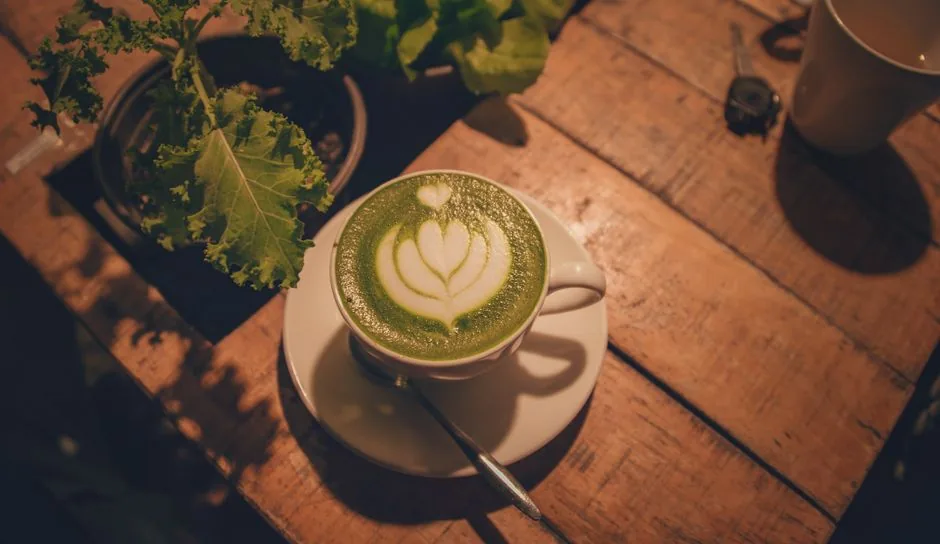
- Matcha latte. Green, vegetal, grassy, with a different kind of lift from its L-theanine content. Where chai is warming and spiced, matcha is cooling and savory. We covered it in matcha and tea drinks in Bay Ridge.
- Hot chocolate. Richer, sweeter, essentially caffeine-free, and a dessert rather than a pick-me-up. See hot chocolate in Bay Ridge.
- A cappuccino or latte. If what you actually want is steamed milk texture, these are the coffee answer to the same craving. The cappuccino versus latte difference is all in the proportions.
A Chai on the Bay Ridge Waterfront
Pier 69 Market is a Bay Ridge coffee shop pouring La Colombe coffee and Rishi tea at 10 Bay Ridge Ave, one block up from the water. Vanilla chai is on our menu in both forms — hot as a chai latte, and iced — and it lives in the Rishi tea section rather than with the espresso drinks, which is where it honestly belongs.
Being a waterfront cafe shapes which drink makes sense when. A hot chai is the right thing to carry out the door in November toward Owls Head Park, the promenade or the NYC Ferry landing, because the spice holds up in the cold in a way a delicate coffee does not, and because it stays drinkable longer as it cools. An iced vanilla chai is the better call if you are sitting down with a laptop for an hour, or if the hot version has ever struck you as too sweet.
We open at 6 AM Monday through Friday and 7 AM on weekends, and we are open until 9 PM, which makes chai a genuinely practical 4 PM order around here — a real but modest amount of caffeine at an hour when a late coffee would be a mistake. Delivery runs through GetSauce. If you are putting together drinks for a group, a hot chai travels well in quantity, and a quick call to (718) 777-6969 sorts out numbers faster than any form; the catering page covers how we usually handle it. Hours and directions are on the visit page, and the full board is on the menu.
Hot or Iced, It Is on the Board
Vanilla chai, Rishi tea and La Colombe coffee at 10 Bay Ridge Ave, one block up from the Bay Ridge waterfront. Open 6 AM weekdays, 7 AM weekends, until 9 PM. Delivery through GetSauce.